


School districts in several states are facing mandates to incorporate electric buses into their school bus fleets, with the EVs bringing with them different operating costs and posing new challenges.
Several states, including New York and California, have implemented requirements that school districts buy zero-emission school buses with their new purchases. New York’s rule takes effect in 2027 for all new school bus purchases and has a fleet-wide goal of 2035 for the transition, while California’s new purchase mandate will take effect in 2035 with five-year extensions available for rural school districts.
Some school districts are getting ahead of the mandates and are experimenting with electric school buses and a new report on the operating costs shows that electric school buses pose different challenges for school districts than diesel school buses.
NEW YORK PARENTS SAY KIDS ‘FREEZE’ ON MANDATED ELECTRIC SCHOOL BUSES DURING BRUTAL WINTER WEATHER
A report by News10NBC of Rochester, New York, examined the financial impact of the Naples Central School District’s experience with electric buses, as the district used federal grants to buy two electric buses and related infrastructure that have now been in use for almost two full school years.
Transportation director and head mechanic Pat Elwell told News10NBC that the EVs that consumers drive as personal vehicles are “ahead of the curve” while electric buses “are not” because the “technology is not there, the batteries are not there.”
ARCTIC BLAST FUELS SCRUTINY OF BIDEN’S $8B ELECTRIC BUS PUSH AS WATCHDOGS CITE OVERSIGHT FAILURES
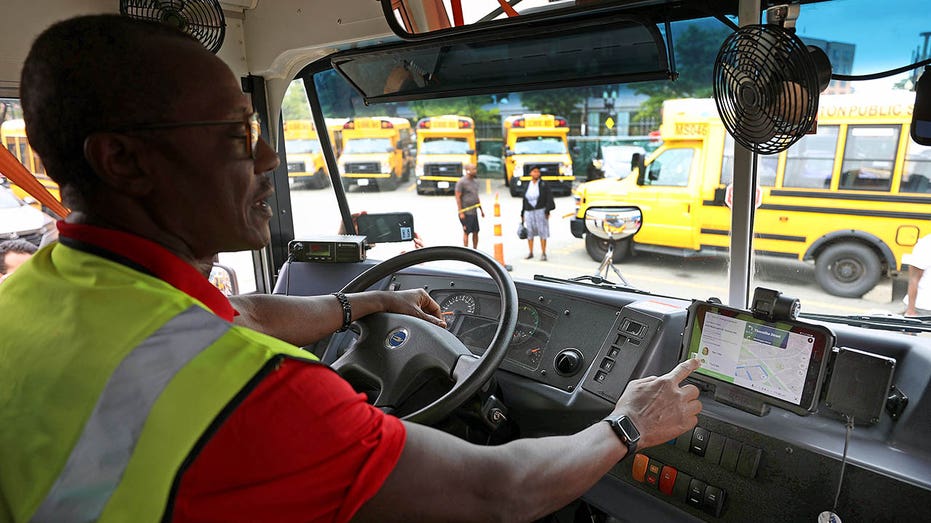
He said that the district’s drivers report that the electric buses perform better in some respects, such as getting up hills and offering a smoother ride. However, he cautioned that performance is dependent on the temperature as they work best between 20 and 80 degrees, but temperatures outside that range can impact battery life.
Elwell told the outlet that about half of the time this winter, the district opted against using the electric buses since about 20% of their battery charge was going to heating the vehicles and that required a midday recharge to ensure they had sufficient battery for their afternoon routes.
ELECTRIC BUSES ARE SITTING UNUSED IN CITIES ACROSS THE US; HERE’S WHY

The outlet asked about how electric buses compare to diesel school buses in terms of operating costs, and Elwell said the district pays about 36 cents per mile to operate its diesel buses – which he noted is relatively stable because the district can buy fuel through state contracts.
“The electric on the other hand is all over the place because you never know from month to month what it’s going to be, so by the time you start factoring in your kilowatt-hour for the supply and the delivery and all the other charges just the same as you would for your diesel bill, we’re paying $3.18 per mile for an electric bus,” he told News10NBC.
Superintendent Kevin Swartz told the outlet that the difference in costs between an electric bus and a diesel bus is about $300,000 and that because of that differential, the district doesn’t have plans to buy additional electric buses at this time.
Swartz said in the report that Naples is a “relatively small district who replaces two buses a year. Typically, that’s $600,000 in additional monies that the taxpayers would have to come up with and that’s exclusive of any charging or infrastructure upgrades we’d have to bring in if we went any further.”
Read the full article here


