

Images by Getty Images; Illustration by Hunter Newton/Bankrate
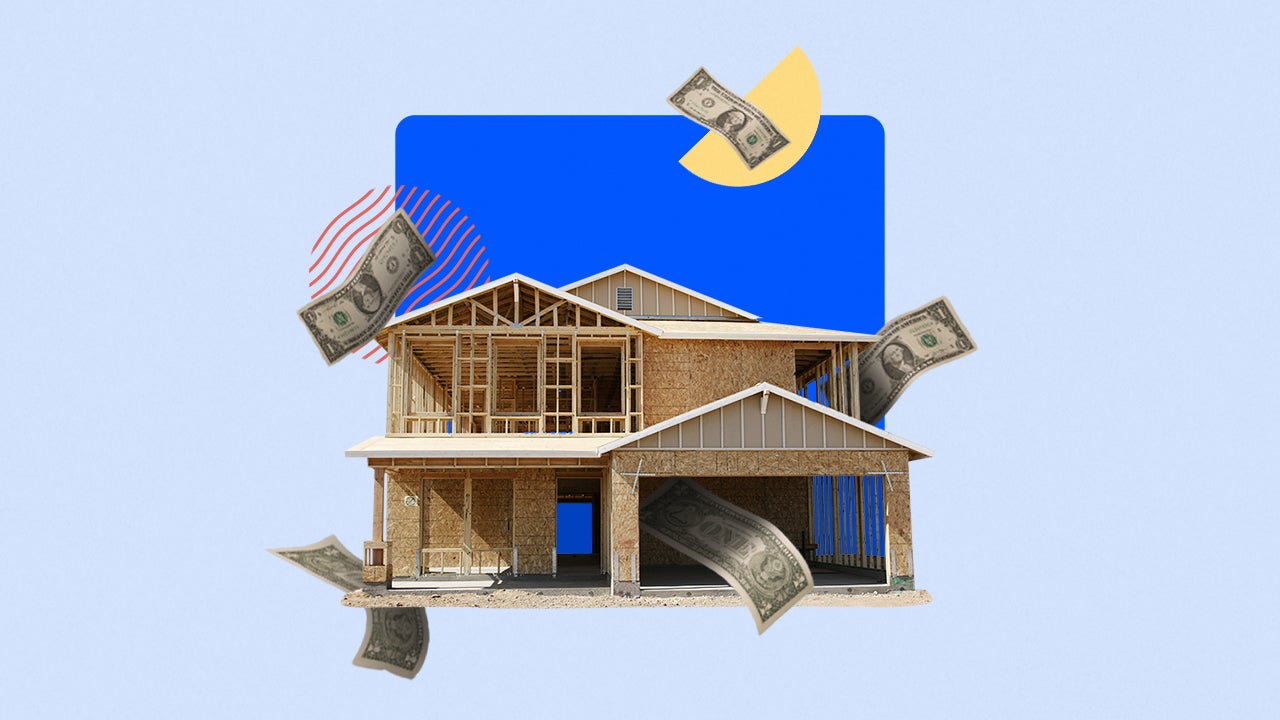
A construction loan is a short-term, high-interest loan used to finance the construction of a home. Funds are paid out in phases over the course of construction and typically cover land, materials, contractor labor and permits. They tend to have stricter qualification requirements than traditional mortgages, but are available through a wide range of lenders, including large national banks. Here are our picks for the best construction loan lenders in 2026.
Best construction loan lenders


How to apply for a construction loan
Applying for a construction loan is similar to applying for a mortgage on an existing home, with a few extra steps and likely a longer timeline. Here are the basic steps:
1. Review construction loan requirements
To qualify for a construction loan, you’ll need to meet the lender’s requirements. These include:
- Credit score: Many lenders require a credit score of 680 or higher for a construction loan, but some might work with borrowers with lower credit scores.
- Debt-to-income (DTI) ratio: Lenders usually look for your debt obligations to total no more than 45% of your monthly income.
- Down payment: Be prepared to put down 20% or more, unless you’re applying for an FHA or VA construction loan.
- Construction plan: Lenders usually require a detailed plan before funding the first phase of the project.
- Repayment plan: In addition to the construction loan itself, you must also qualify for permanent mortgage financing. Most construction loans convert to a permanent mortgage upon completion of the home.
2. Shop around for lenders and rates
Not all mortgage lenders offer construction loans, so you might have to expand your search to uncover options. Banks tend to offer them more so than credit unions or online lenders, so it might make sense to start there. Some banks may also offer discounted rates or preferred pricing if you have a personal or business relationship with them.
3. Submit paperwork
Once you connect with a lender and determine your eligibility, submit your loan application, along with the contractor agreement and plans from your architect or builder. The lender not only wants to know the cost of the build, but also the scope of the work and timeline.
As the lender underwrites your application, be prepared to answer any questions or provide additional documentation as needed. Staying responsive throughout the process will help you avoid closing delays and get the funds to your contractor as soon as possible.
Types of construction loans
- Construction-to-permanent loan: A loan to pay for construction costs, which then converts to a permanent mortgage once the home’s finished and ready for occupancy
- Construction-only loan: A loan to pay for construction costs by disbursing funds in increments as project milestones are met; generally has a repayment period of one year or less
- Owner-builder construction loan: A loan that operates like a construction-to-permanent or construction-only loan, but with one key difference: the borrower is also the builder
- End loan: The mortgage on the property once construction is complete
Frequently asked questions
Why we ask for feedback
Your feedback helps us improve our content and services. It takes less than a minute to
complete.
Your responses are anonymous and will only be used for improving our website.
Help us improve our content
Read the full article here